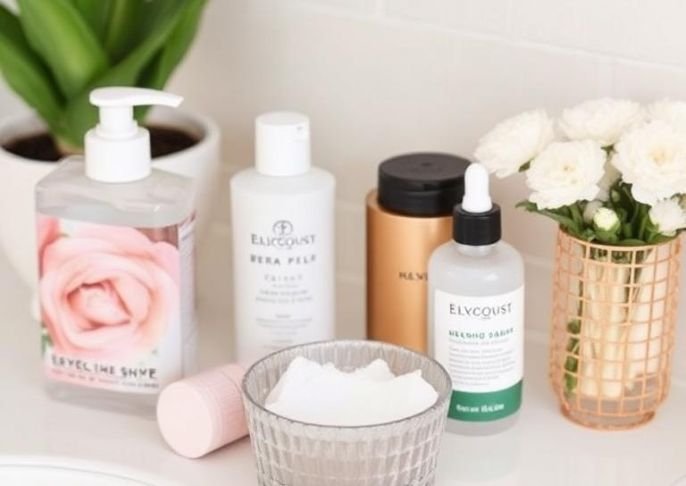
Best Facial Cleansers: How to Choose the Right Cleanser for Your Skin
Wallpostmedia.com brings you a practical guide to the best facial cleansers for different skin types and skincare needs. A good facial cleanser is one of the simplest but most important steps in a skincare routine. It helps remove dirt, excess oil, makeup, sunscreen, and other impurities that build up on the skin throughout the day.
However, not every cleanser works for everyone. Dry, oily, combination, sensitive, and acne-prone skin can have very different needs. Choosing the right formula can help keep your skin feeling clean without leaving it unnecessarily tight or uncomfortable.
What Is a Facial Cleanser?
A facial cleanser is a skincare product designed to clean the skin without the harshness that can sometimes come with ordinary soaps.
Depending on the formula, facial cleansers may help remove:
- Dirt and dust
- Excess oil
- Makeup
- Sunscreen
- Sweat
- Environmental impurities
- Dead skin cells
Cleansers are available in several forms, including gels, foams, creams, oils, balms, and micellar solutions.
Why Is Facial Cleansing Important?
Your skin comes into contact with many substances throughout the day. Sweat, oil, pollution, sunscreen, and makeup can accumulate on the surface.
Regular cleansing can help maintain a clean skin surface and prepare the skin for other skincare products.
A good cleanser should clean effectively while supporting your skin’s natural moisture barrier.
Best Facial Cleansers for Different Skin Types
There isn’t one cleanser that can be called the best for everyone. The ideal choice depends on your skin type and concerns.
1. Best Facial Cleansers for Dry Skin
Dry skin generally benefits from gentle, moisturizing cleansers.
Look for ingredients such as:
- Ceramides
- Glycerin
- Hyaluronic acid
- Squalane
- Gentle moisturizing agents
Cream and lotion-style cleansers can be particularly comfortable for dry skin.
Avoid using very harsh cleansers that leave your face feeling extremely tight after washing.
2. Best Facial Cleansers for Oily Skin
People with oily skin may prefer lightweight gel or foaming cleansers.
Useful ingredients can include:
- Salicylic acid
- Niacinamide
- Gentle cleansing agents
- Zinc-based ingredients
A cleanser should remove excess oil without excessively stripping the skin.
Over-cleansing can sometimes leave the skin feeling irritated and uncomfortable.
3. Best Facial Cleansers for Combination Skin
Combination skin can be challenging because some areas may be oily while others are relatively dry.
A gentle gel or low-foaming cleanser can often provide a good balance.
The goal should be to remove excess oil from the T-zone while avoiding unnecessary dryness on the cheeks.
4. Best Facial Cleansers for Sensitive Skin
Sensitive skin generally benefits from simple and gentle formulas.
Look for:
- Fragrance-free options
- Mild cleansing agents
- Minimal ingredients
- Barrier-supporting ingredients
Avoid products that consistently cause burning, redness, or irritation.
Testing a new skincare product on a small area first can be helpful if your skin is particularly reactive.
5. Best Facial Cleansers for Acne-Prone Skin
People with acne-prone skin may benefit from cleansers containing ingredients such as salicylic acid.
Salicylic acid can help remove excess oil and unclog pores.
However, using too many strong acne products at the same time can cause dryness and irritation. A simple routine is often easier to maintain.
Popular Types of Facial Cleansers
Gel Cleansers
Gel cleansers usually have a lightweight texture and can be suitable for oily or combination skin.
Foaming Cleansers
Foaming cleansers create a lather and can provide a strong feeling of cleanliness. Some formulas may be better suited to oily skin.
Cream Cleansers
Cream cleansers are generally more moisturizing and can work well for dry or sensitive skin.
Oil Cleansers
Oil cleansers can help dissolve makeup, sunscreen, and oil-based impurities.
They are often used as the first step in a double-cleansing routine.
Cleansing Balms
Cleansing balms have a thicker texture and melt into an oil-like consistency when applied. They can be useful for removing makeup and sunscreen.
Ingredients to Look For
When comparing the best facial cleansers, the ingredient list can tell you a lot about the product.
Glycerin
Glycerin is a humectant that helps attract and retain moisture.
Ceramides
Ceramides are lipids naturally found in the skin and are commonly used in products designed to support the skin barrier.
Salicylic Acid
Salicylic acid is commonly used in products designed for oily and acne-prone skin.
Hyaluronic Acid
Hyaluronic acid is a moisturizing ingredient commonly found in hydrating skincare products.
Niacinamide
Niacinamide is a versatile skincare ingredient often included in formulas designed for oil control and skin-barrier support.
Ingredients to Be Careful With
Some people may find certain ingredients irritating, especially if their skin is sensitive.
Potential concerns can include:
- Strong fragrances
- High concentrations of exfoliating acids
- Harsh cleansing agents
- Excessive essential oils
- Ingredients that have previously caused irritation
Everyone’s skin is different, so an ingredient that works well for one person may not work well for another.
How Often Should You Use a Facial Cleanser?
For many people, cleansing the face once or twice a day is sufficient.
A common routine is:
Morning: Gentle cleanser → moisturizer → sunscreen
Evening: Cleanser → treatment products if needed → moisturizer
If your skin becomes dry or irritated, using a gentler cleanser or reducing cleansing frequency may be worth considering.
How to Use a Facial Cleanser Correctly
Using a cleanser properly is just as important as choosing one.
Step 1: Wet Your Face
Use lukewarm water rather than very hot water.
Step 2: Apply Cleanser
Use a small amount and gently massage it over your face.
Step 3: Avoid Excessive Scrubbing
Aggressive rubbing can irritate the skin.
Step 4: Rinse Thoroughly
Remove the cleanser with lukewarm water.
Step 5: Pat Dry
Use a clean towel and gently pat your face dry rather than rubbing it aggressively.
Step 6: Moisturize
Apply a suitable moisturizer after cleansing.
How to Choose the Best Facial Cleanser
Before buying a cleanser, consider these factors:
Know Your Skin Type
Determine whether your skin is dry, oily, combination, sensitive, or normal.
Consider Your Main Concern
Your needs may differ depending on whether you’re dealing with excess oil, dryness, clogged pores, or sensitivity.
Check the Ingredients
Look for ingredients suited to your skin rather than choosing a product solely because it is popular.
Avoid Overcomplicating Your Routine
More skincare products don’t necessarily mean better results.
Consider Your Budget
There are effective options at different price points, so an expensive cleanser isn’t automatically the best cleanser.
Common Facial Cleansing Mistakes
Washing With Very Hot Water
Hot water can leave some people’s skin feeling dry and irritated.
Scrubbing Too Hard
Your face doesn’t need aggressive scrubbing to become clean.
Using Too Much Product
A large amount of cleanser isn’t necessarily more effective.
Choosing a Product Based Only on Trends
A popular product may not be suitable for your skin type.
Forgetting Moisturizer
Cleansing removes impurities but can also leave the skin needing additional hydration.
Frequently Asked Questions
What are the best facial cleansers?
The best facial cleanser depends on your skin type. Hydrating cream cleansers can suit dry skin, while lightweight gel cleansers may work well for oily or combination skin.
Which cleanser is best for oily skin?
A gentle gel or foaming cleanser may be suitable for oily skin. Products containing salicylic acid can also be useful for people dealing with clogged pores.
Which facial cleanser is best for dry skin?
Dry skin generally benefits from gentle, hydrating cream or lotion cleansers containing moisturizing and barrier-supporting ingredients.
Can I use a facial cleanser every day?
Yes, most facial cleansers are designed for regular use. However, the ideal frequency depends on your skin type and the formula you’re using.
Is facial cleanser better than soap?
Facial cleansers are generally formulated specifically for facial skin, while many traditional soaps can be too harsh or drying for some people.
Final Thoughts
Finding the best facial cleansers starts with understanding your skin rather than simply choosing the most popular product.
Dry skin may benefit from a gentle hydrating cleanser, while oily or acne-prone skin may prefer a lightweight formula with ingredients designed to manage excess oil. Sensitive skin usually benefits from simple, fragrance-free products.
A good cleanser should leave your skin feeling clean and comfortable—not excessively tight, dry, or irritated.
For more skincare, beauty, lifestyle, and wellness guides, visit Wallpostmedia.com.
Also Read: Saamir Mithwani: Biography, Career, E-Commerce Journey, and Success