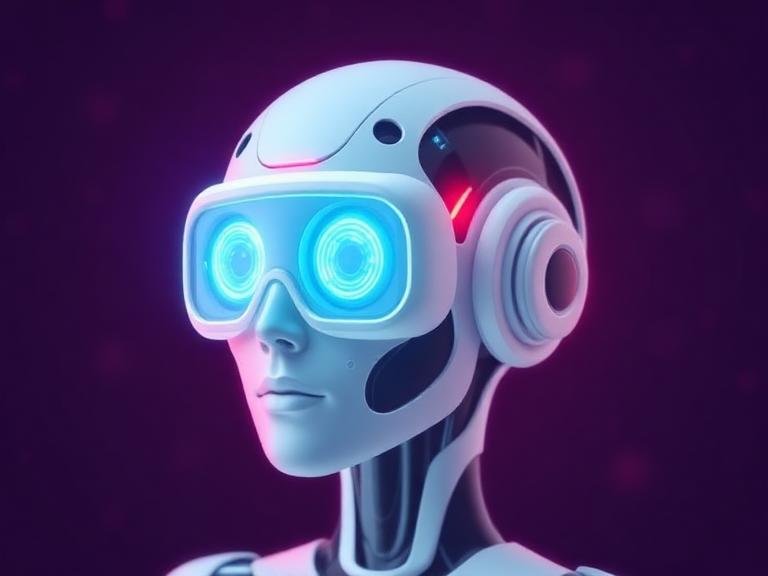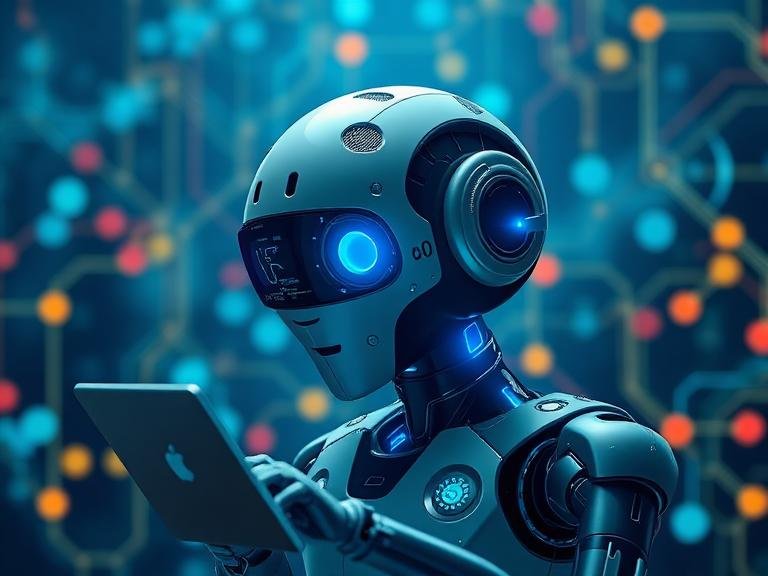
Artificial intelligence is rapidly becoming part of everyday work. From writing emails and analyzing data to automating repetitive tasks and supporting customer service, AI is changing how employees and businesses approach productivity.
In 2026, understanding how AI is changing the way we work is important for professionals, business owners, freelancers, and organizations looking to adapt to new technology. AI isn’t simply about replacing manual tasks—it can also help people make decisions, generate ideas, organize information, and focus on higher-value work.
At Wallpostmedia.com, we cover AI, technology, business, finance, and digital trends. Here’s how artificial intelligence is transforming the modern workplace.
Note: AI tools and workplace practices continue to evolve. Always review AI-generated information and follow your organization’s privacy and security policies.
What Is AI Changing in the Workplace?
AI is influencing several areas of modern work, including:
- Communication
- Content creation
- Data analysis
- Customer support
- Software development
- Marketing
- Research
- Project management
- Administrative tasks
- Decision support
The impact varies by industry and job role, but AI is increasingly becoming a productivity tool rather than a technology limited to specialized teams.
1. Automating Repetitive Tasks: AI Is Changing the Way We Work
One of the biggest ways AI is changing the workplace is by automating repetitive activities.
Businesses can use AI-powered systems to assist with tasks such as:
- Data entry
- Document processing
- Email categorization
- Scheduling
- Report generation
- Customer queries
- Information extraction
Automation can reduce the amount of time employees spend on repetitive work, allowing them to focus on tasks that require judgment and creativity.
2. Faster Content Creation
AI tools can help professionals create first drafts of various types of content.
For example, AI can assist with:
- Blog outlines
- Emails
- Reports
- Social media posts
- Product descriptions
- Presentations
- Marketing ideas
However, AI-generated content still needs human review for accuracy, originality, tone, and context.
3. AI Is Supporting Research
Research can take significant amounts of time, particularly when professionals need to review large amounts of information.
AI tools can help summarize documents, identify key concepts, organize information, and generate research questions.
This can make the initial research process faster, although important information should always be verified using reliable sources.
4. More Personalized Customer Service: AI Is Changing the Way We Work
AI-powered customer service systems can handle common questions and provide automated assistance.
Businesses can use AI for:
- Frequently asked questions
- Order updates
- Basic troubleshooting
- Appointment scheduling
- Product information
- Customer routing
Human agents can then focus on more complex or sensitive customer issues.
5. AI Is Changing Software Development
Software developers are increasingly using AI coding assistants to help with programming tasks.
AI can assist with:
- Code suggestions
- Code explanations
- Debugging
- Test generation
- Documentation
- Refactoring
AI-generated code should still be reviewed carefully for security, correctness, performance, and maintainability.
6. Data Analysis Is Becoming More Accessible
AI can make certain data-analysis tasks easier for people who don’t have advanced technical skills.
Depending on the tool, users may be able to:
- Summarize datasets
- Identify trends
- Generate charts
- Find unusual patterns
- Create reports
- Ask questions about data
Human judgment remains essential when interpreting results and making business decisions.
7. AI Is Transforming Marketing
Marketing teams are using AI for a growing range of activities.
AI can assist with:
- Keyword research
- Content ideas
- Audience analysis
- Ad copy
- Email campaigns
- Personalization
- Competitor research
- Campaign analysis
For SEO professionals, AI can support research and content workflows, but high-quality content still requires expertise, originality, and useful information for readers.
8. Remote Work Is Becoming More Efficient
AI tools can support distributed teams by helping with communication and organization.
For example, AI can assist with:
- Meeting summaries
- Task tracking
- Document organization
- Translation
- Scheduling
- Team communication
This can reduce administrative work for remote and hybrid teams.
9. AI Is Creating New Job Opportunities: AI Is Changing the Way We Work
While AI may automate certain tasks, it is also creating demand for new skills and roles.
Growing areas can include:
- AI operations
- AI product management
- Data analysis
- AI-assisted marketing
- Automation
- AI governance
- Prompt design
- Machine learning
- AI security
The workplace is likely to continue evolving as organizations discover new ways to use AI.
10. Employees Need New Skills: AI Is Changing the Way We Work
One of the most important aspects of how AI is changing the way we work is the growing importance of AI literacy.
Employees may benefit from learning how to:
- Write effective prompts
- Verify AI outputs
- Analyze information
- Use AI tools responsibly
- Protect confidential information
- Combine AI with professional expertise
AI skills can become an additional layer of professional knowledge rather than a replacement for existing expertise.
11. Decision-Making Is Getting More Data-Driven
AI can help organizations process large amounts of information and identify patterns.
Businesses may use AI to support decisions related to:
- Sales
- Marketing
- Inventory
- Customer behavior
- Operations
- Financial planning
However, AI recommendations shouldn’t automatically become final decisions. Human review is especially important when decisions have significant consequences.
12. AI Can Improve Workplace Productivity: AI Is Changing the Way We Work
The potential productivity benefits of AI include:
- Faster information processing
- Reduced repetitive work
- Quicker content creation
- Easier data analysis
- Better organization
- Automated workflows
The actual productivity improvement depends on how well the tool is integrated into the workflow.
Simply adding AI to a process doesn’t guarantee better results.
13. AI Is Changing Team Collaboration: AI Is Changing the Way We Work
AI can also support collaboration by helping teams organize shared knowledge.
For example, AI can help summarize:
- Meetings
- Project documents
- Customer feedback
- Internal discussions
- Research materials
This can make it easier for team members to quickly understand what has happened and what needs to happen next.
14. Workplace Privacy Is More Important
As AI becomes more common, organizations need to pay closer attention to data privacy.
Employees should avoid entering sensitive information into AI tools unless the organization has approved the platform and understands its data practices.
Sensitive information may include:
- Customer data
- Passwords
- Financial information
- Confidential business documents
- Personal information
- Proprietary code
Companies should establish clear AI usage policies to reduce unnecessary risks.
15. Human Skills Still Matter: AI Is Changing the Way We Work
AI may be powerful, but human skills remain essential.
Important skills include:
- Critical thinking
- Creativity
- Communication
- Leadership
- Problem-solving
- Emotional intelligence
- Strategic thinking
The future workplace is likely to involve collaboration between people and AI rather than simply replacing every human task with automation.
AI and the Future of Jobs: AI Is Changing the Way We Work
A major question surrounding how AI is changing the way we work is whether AI will eliminate jobs.
The answer isn’t simple.
Some tasks may become automated, while other roles may change or require new skills. At the same time, new opportunities can emerge around developing, managing, implementing, and using AI systems.
Workers who learn how to use AI effectively may be better positioned to adapt as workplace technology continues to evolve.
How Businesses Can Prepare for AI: AI Is Changing the Way We Work
Companies looking to adopt AI can start with a few practical steps:
Identify Repetitive Tasks
Find processes that consume significant time but don’t require constant human judgment.
Start With Small Projects
Test AI on limited workflows before deploying it across an entire organization.
Train Employees
Provide employees with guidance on AI tools, privacy, security, and responsible use.
Measure Results
Track whether AI actually saves time, reduces costs, or improves quality.
Maintain Human Oversight
Keep people involved in important decisions and quality checks.
Final Thoughts: AI Is Changing the Way We Work
Understanding how AI is changing the way we work is becoming increasingly important in 2026. AI is helping businesses automate repetitive tasks, analyze information, create content, support customers, and improve workplace productivity.
However, successful AI adoption isn’t simply about using the newest tool. Organizations and professionals need to combine AI capabilities with human judgment, creativity, expertise, and responsible data practices.
For employees, learning how to work effectively with AI can be a valuable career skill. For businesses, thoughtful AI adoption can create opportunities to improve efficiency while maintaining quality and trust.
The future of work is likely to be shaped by people who know how to combine technology with human expertise.
For more AI, technology, business, finance, and digital trend articles, visit Wallpostmedia.com.