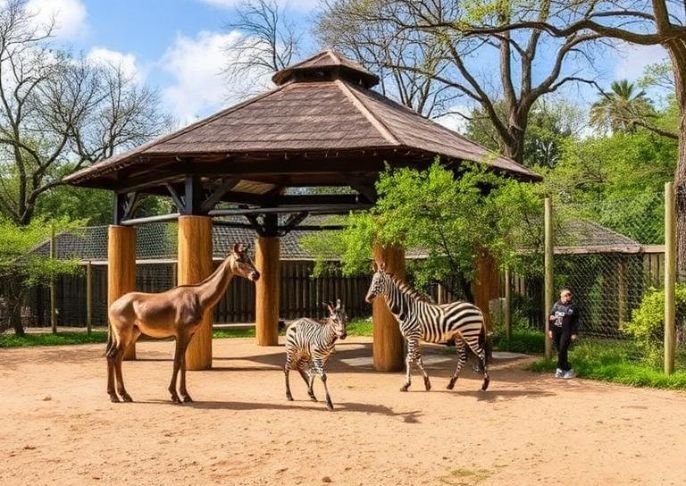
Oldest Zoo in the World: History, Location, and Fascinating Facts
Wallpostmedia.com explores the oldest zoo in the world, its fascinating history, location, and evolution from a royal animal collection into a modern zoological institution.
When people think about zoos today, they usually imagine large wildlife parks with conservation programs, educational exhibits, and carefully designed habitats. However, the history of zoos goes back hundreds of years. Early animal collections were very different from modern zoos and were often created for royalty and wealthy rulers.
What Is the Oldest Zoo in the World?
The Schönbrunn Zoo, also known as Tiergarten Schönbrunn, in Vienna, Austria, is widely recognized as the oldest zoo in the world that is still operating.
The zoo was established in 1752 by Emperor Francis I Stephen as part of the Schönbrunn Palace complex.
Unlike many modern zoos, its origins are closely connected to the royal court and the Habsburg monarchy.
Today, Schönbrunn Zoo has developed into a modern zoological institution focused on animal care, conservation, education, and research.
Where Is the Oldest Zoo in the World?
The oldest continuously operating zoo is located in:
Vienna, Austria
It is situated within the grounds of the famous Schönbrunn Palace, one of Vienna’s most important historic attractions.
The zoo’s location makes it particularly special because visitors can combine a visit to the historic palace complex with an experience involving wildlife and nature.
When Was Schönbrunn Zoo Founded?
Schönbrunn Zoo was founded in 1752.
The original facility was created as an imperial menagerie.
At the center was a circular structure surrounded by animal enclosures. The design reflected the traditions of royal animal collections at the time.
Over the centuries, the zoo expanded and changed significantly.
Why Was the Zoo Created?
The original purpose of Schönbrunn Zoo was quite different from the purpose of modern zoological gardens.
It was established as an imperial menagerie where the royal court could view exotic animals.
At that time, keeping unusual animals was closely connected with royal status, scientific curiosity, and international trade.
The collection included animals that would have been rare and unfamiliar to most European visitors.
From Royal Menagerie to Modern Zoo
The history of Schönbrunn Zoo reflects the broader development of zoological institutions.
Early menageries were primarily focused on displaying animals.
Modern zoos have a much broader mission, including:
- Wildlife conservation
- Animal welfare
- Scientific research
- Public education
- Breeding programs
- Protection of endangered species
Schönbrunn Zoo has evolved considerably as attitudes toward animals and conservation have changed.
The Famous Baroque Architecture
One of the most distinctive features of Schönbrunn Zoo is its historic architecture.
The zoo’s original layout was designed in the Baroque style, creating a unique combination of architecture, gardens, and animal exhibits.
The central pavilion remains an important historical feature of the zoo.
This combination of cultural heritage and wildlife makes the zoo different from many modern zoological parks.
What Animals Can You See?
Today, visitors can see a wide range of animals at Schönbrunn Zoo.
Depending on the current collection and exhibits, visitors may encounter animals such as:
- Giant pandas
- Elephants
- Giraffes
- Lions
- Tigers
- Penguins
- Orangutans
- Polar bears
- Koalas
- Various birds and reptiles
The collection has changed significantly throughout the zoo’s long history.
Giant Pandas at Schönbrunn Zoo
One of the zoo’s most popular attractions is its giant panda program.
Schönbrunn Zoo has gained international attention for its work involving giant pandas and has played an important role in panda breeding efforts.
The presence of pandas has also helped attract visitors and increase awareness about wildlife conservation.
Conservation at the World’s Oldest Zoo
Modern zoological gardens are increasingly involved in conservation.
Schönbrunn Zoo participates in conservation and breeding programs designed to support threatened species.
These efforts can include:
- Captive breeding
- Species management
- Research
- Public education
- Conservation partnerships
The goal is not simply to display animals but also to contribute to their long-term survival.
How Has the Zoo Changed Over Time?
The zoo has undergone major changes since its establishment in the 18th century.
18th Century
The zoo began as an imperial animal collection.
19th Century
It gradually became more accessible and developed into a more public institution.
20th Century
The zoo experienced periods of difficulty, including major challenges during wartime.
21st Century
Today, the zoo combines historical architecture with modern animal habitats, education, conservation, and research.
Why Is Schönbrunn Zoo Important?
Schönbrunn Zoo is important for several reasons.
Historical Importance
It has operated for more than two and a half centuries.
Architectural Importance
Its historic Baroque design is closely connected with Schönbrunn Palace.
Conservation
The zoo participates in modern conservation and breeding efforts.
Education
Visitors can learn about wildlife, habitats, and conservation.
Tourism
The zoo is an important attraction for visitors to Vienna.
Oldest Zoo vs. Oldest Animal Collection
It’s important to distinguish between a zoo and an animal collection.
Humans have kept animals in captivity for thousands of years. Ancient civilizations, including Egypt, China, and Rome, maintained collections of exotic animals.
However, these collections were not necessarily zoos in the modern sense.
Schönbrunn Zoo is recognized as the oldest continuously operating zoo because it has remained in operation as a zoological institution since the 18th century.
Oldest Zoo in the World: Quick Facts
| Fact | Details |
|---|---|
| Name | Schönbrunn Zoo |
| Also Known As | Tiergarten Schönbrunn |
| Location | Vienna, Austria |
| Founded | 1752 |
| Original Purpose | Imperial menagerie |
| Famous For | Historic architecture and wildlife |
| Status | Oldest continuously operating zoo |
| Setting | Schönbrunn Palace grounds |
Is the Oldest Zoo Still Worth Visiting?
Yes. Schönbrunn Zoo offers a combination that is difficult to find elsewhere.
Visitors can experience:
- Historic architecture
- Beautiful gardens
- Wildlife exhibits
- Conservation programs
- Family-friendly attractions
- Educational experiences
Its long history adds another dimension to the visit.
FAQs: Oldest Zoo in the World
What is the oldest zoo in the world?
Schönbrunn Zoo in Vienna, Austria, is widely recognized as the oldest continuously operating zoo in the world.
When was the oldest zoo in the world opened?
Schönbrunn Zoo was established in 1752.
Where is the oldest zoo located?
It is located in Vienna, Austria, within the grounds of Schönbrunn Palace.
What was the original purpose of Schönbrunn Zoo?
It was originally established as an imperial menagerie for the Habsburg royal court.
Is Schönbrunn Zoo still open?
Yes. It continues to operate as a modern zoo with animal exhibits, conservation programs, education, and research.
What makes Schönbrunn Zoo special?
Its combination of more than 250 years of history, Baroque architecture, wildlife exhibits, and modern conservation work makes it unique.
Final Thoughts: Oldest Zoo in the World
The oldest zoo in the world, Schönbrunn Zoo in Vienna, has an extraordinary history stretching back to 1752. What began as an imperial menagerie has evolved into a modern zoological institution focused on animal care, conservation, education, and research.
Its historic setting within Schönbrunn Palace makes it more than just a place to see animals. It is also an important part of Vienna’s cultural and architectural heritage.
For more travel guides, fascinating facts, history, lifestyle content, and destination inspiration, visit Wallpostmedia.com.
Also Read: How to Choose a Good Hotel for Your Trip: A Complete Guide