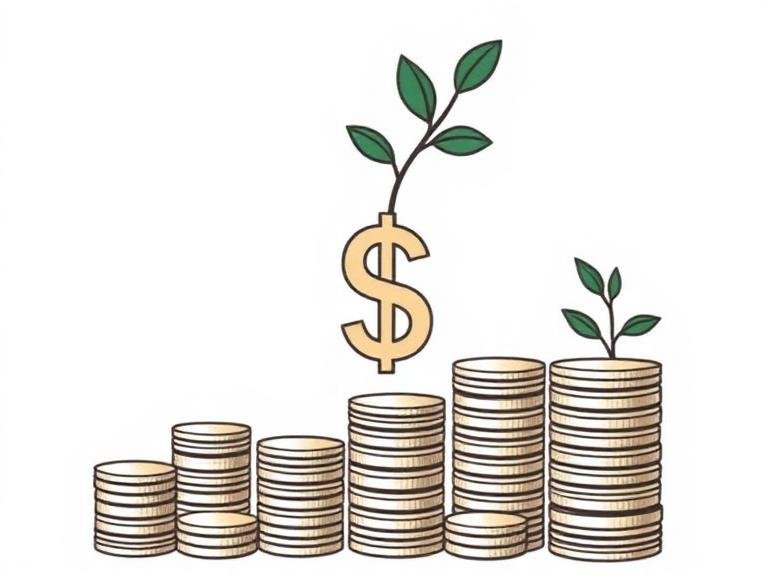
Smart Money Habits to Build Wealth in 2026
Building wealth doesn’t usually happen overnight. It often comes from making smart financial decisions consistently over many years. Whether you’re just starting your financial journey or trying to improve your existing money habits, small changes can make a meaningful difference over time.
In 2026, rising costs, digital financial tools, changing investment options, and new ways to earn income are making personal financial planning increasingly important. Developing smart money habits to build wealth in 2026 can help you manage your income, control spending, reduce debt, save consistently, and work toward long-term financial goals.
At Wallpostmedia.com, we cover finance, business, technology, and practical money-management topics. Here’s a look at the habits that can help you create a stronger financial foundation.
Disclaimer: This article is for general educational purposes only and isn’t personalized financial advice. Investments involve risk, and you can lose money.
1. Create a Realistic Budget: Smart Money Habits
One of the most important smart money habits to build wealth in 2026 is creating a budget that reflects your actual lifestyle.
Start by calculating your monthly income and listing your regular expenses.
Include:
- Housing
- Utilities
- Groceries
- Transportation
- Debt payments
- Insurance
- Entertainment
- Savings
- Investments
A realistic budget gives you a clearer picture of where your money is going.
2. Track Your Spending: Smart Money Habits
A budget works best when you actually monitor your spending.
Review your transactions regularly and identify areas where you’re spending more than expected.
Small expenses can add up quickly, particularly when they occur repeatedly.
Tracking your spending can help you make more informed decisions and identify unnecessary expenses.
3. Pay Yourself First
Instead of waiting until the end of the month to see how much money remains, consider making savings a planned expense.
For example, you could automatically transfer a set amount into a savings account after receiving your income.
This approach can make saving more consistent.
The amount should be realistic and should fit your overall financial situation.
4. Build an Emergency Fund
An emergency fund is another important part of smart money habits to build wealth in 2026.
Unexpected expenses can happen at any time, including:
- Job loss
- Medical costs
- Vehicle repairs
- Home repairs
- Emergency travel
- Unexpected bills
Having accessible savings can reduce the need to rely on expensive credit when an emergency occurs.
5. Control Lifestyle Inflation
When income increases, it’s tempting to increase spending immediately.
This is commonly known as lifestyle inflation.
While enjoying some benefits from higher income is reasonable, increasing expenses at the same rate as income can make wealth building more difficult.
Consider directing part of every pay increase, bonus, or additional income toward savings or investments.
6. Pay Down High-Interest Debt
High-interest debt can significantly affect your finances.
Credit-card balances and other expensive debt can accumulate interest, reducing the money available for saving and investing.
Create a repayment plan and prioritize debt according to interest rates and your financial circumstances.
Reducing expensive debt can improve cash flow over time.
7. Start Investing for the Long Term
Investing can be an important component of wealth building.
Depending on your goals and circumstances, you may consider investments such as:
- Stocks
- Bonds
- ETFs
- Mutual funds
- Retirement accounts
- Real estate
Every investment has risks.
Before investing, understand what you’re buying, consider your time horizon, and determine how much risk you’re comfortable taking.
8. Diversify Your Investments
Another key part of smart money habits to build wealth in 2026 is diversification.
Putting all your money into one investment can expose you to unnecessary risk.
Diversification can involve spreading investments across:
- Companies
- Industries
- Asset classes
- Geographic regions
Diversification doesn’t guarantee profits or prevent losses, but it can reduce reliance on the performance of a single investment.
9. Automate Savings and Investments
Automation can make good financial habits easier to maintain.
You can schedule recurring transfers toward:
- Emergency savings
- Retirement
- Investment accounts
- Other financial goals
Automating contributions reduces the need to make the same decision every month.
Even modest contributions can become meaningful over long periods.
10. Avoid Impulse Purchases
Impulse spending can interfere with long-term financial goals.
Before buying something you don’t need immediately, consider waiting 24 hours.
For expensive purchases, waiting several days can give you more time to compare prices and decide whether the purchase is genuinely worthwhile.
This simple habit can help reduce unnecessary spending.
11. Compare Prices Before Buying
Another one of the smart money habits to build wealth in 2026 is becoming a more thoughtful shopper.
Before making larger purchases, compare:
- Retailers
- Online prices
- Discounts
- Coupons
- Cashback offers
- Warranty terms
However, don’t purchase something simply because it’s on sale.
The best saving opportunity is often avoiding an unnecessary purchase altogether.
12. Review Subscriptions Regularly
Subscriptions can quietly consume part of your monthly income.
Review your recurring payments for:
- Streaming platforms
- Fitness memberships
- Software
- Gaming services
- News websites
- Premium apps
Cancel services you no longer use.
Even small monthly savings can add up over a year.
13. Increase Your Income
Building wealth isn’t only about cutting expenses.
Increasing your income can also improve your ability to save and invest.
Potential options include:
- Learning new skills
- Freelancing
- Part-time work
- Starting a small business
- Negotiating compensation
- Selling products or services online
If your income increases, consider directing some of the additional money toward financial goals instead of increasing spending immediately.
14. Keep Learning About Personal Finance: Smart Money Habits
Financial education is one of the most valuable smart money habits to build wealth in 2026.
Learn about:
- Budgeting
- Investing
- Credit
- Debt
- Taxes
- Retirement planning
- Insurance
- Risk management
You don’t need to become a financial expert. Understanding the basics can help you make more informed decisions.
15. Set Clear Financial Goals
Wealth building becomes easier when you know what you’re working toward.
Instead of simply saying, “I want to be wealthy,” create measurable goals.
For example:
- Save a specific emergency fund amount
- Pay off credit-card debt
- Invest a certain amount each month
- Save for a home
- Increase retirement contributions
- Build an additional income stream
Review your progress regularly and adjust your goals as your circumstances change.
Common Money Habits to Avoid: Smart Money Habits
While developing smart money habits to build wealth in 2026, it’s equally important to recognize habits that can work against you.
Avoid:
- Spending more whenever your income rises
- Relying heavily on credit cards
- Ignoring high-interest debt
- Making emotional investment decisions
- Chasing quick profits
- Failing to track expenses
- Taking unnecessary financial risks
Building wealth generally requires patience and consistency.
A Simple Wealth-Building Routine
You don’t need to completely change your financial life in one day.
Try this simple routine:
Daily: Be conscious of unnecessary spending.
Weekly: Review your recent transactions.
Monthly: Update your budget and savings progress.
Quarterly: Review investments and financial goals.
Annually: Reassess your income, expenses, debt, savings, and long-term objectives.
Small actions repeated consistently can create stronger financial habits.
Final Thoughts: Smart Money Habits
Developing smart money habits to build wealth in 2026 is about making consistent decisions that support your long-term financial goals.
Budgeting, tracking expenses, building emergency savings, reducing expensive debt, investing carefully, diversifying, increasing income, and avoiding unnecessary spending can all contribute to a stronger financial foundation.
You don’t need to implement every strategy immediately. Start with a few habits that fit your current situation and gradually build from there.
The goal isn’t to become wealthy overnight. It’s to create sustainable financial habits that can help your money grow over time.
For more finance guides, investing insights, business articles, and technology updates, visit Wallpostmedia.com.
Also Read: Best Ways to Reduce Monthly Expenses and Save More